 Pin this
 My mum always said the best gifts didn't come wrapped in fancy paper, and one Mother's Day I finally understood what she meant. I was standing in her kitchen, lemon zest under my fingernails, watching how the afternoon light caught the golden batter as I folded it together. There's something about making a lemon drizzle cake that feels like a quiet conversation—just you, butter, eggs, and the promise of something bright. That year, the edible flowers I scattered on top felt less like decoration and more like a thank you I couldn't quite say out loud.
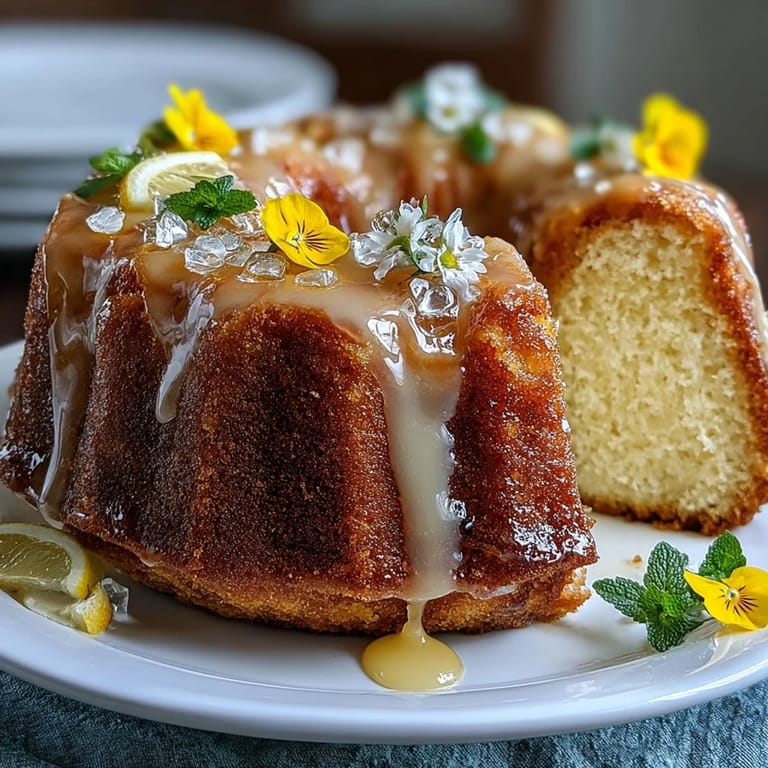
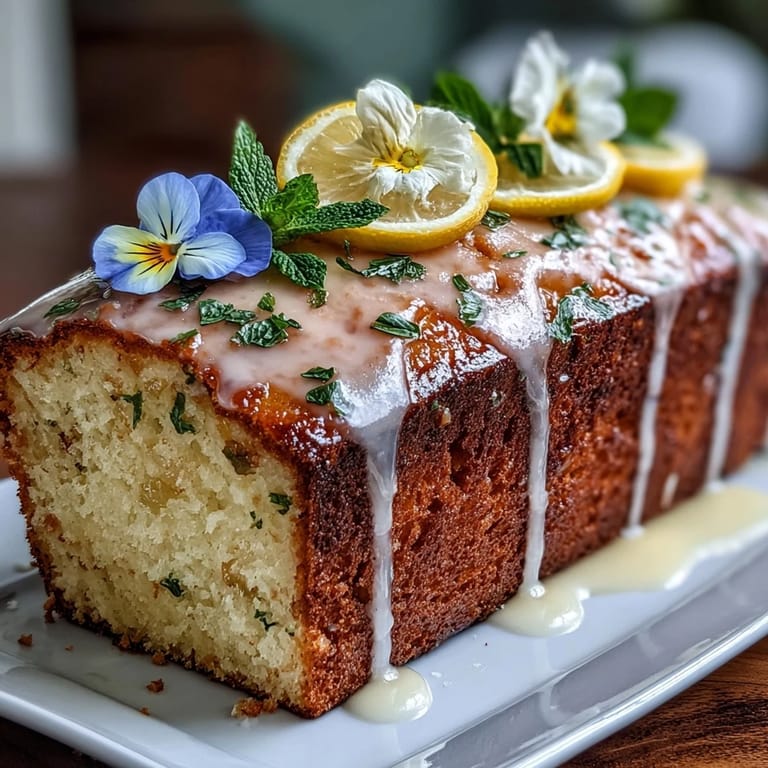
I once brought this cake to a friend's birthday dinner, tucked into a cardboard box on my lap during the drive over. When I lifted the lid to reveal the flowers—purple violas and cream-colored nasturtiums—her eyes actually got a little misty. She told me later that her kids took photos of it before anyone cut a slice, which I think says everything about what this cake can do to a table.
Ingredients
- Unsalted butter, 225g, softened: This is your foundation, and it needs to be soft enough that your finger leaves a small dent when you press it, not melted or cold.
- Caster sugar, 225g: Its fine crystals dissolve into the butter faster than granulated sugar, creating that signature pale, fluffy texture.
- Eggs, 4 large: Room temperature eggs fold in more smoothly, so leave them out of the fridge while you prep everything else.
- Self-raising flour, 225g: The leavening is already built in, which means you're trusting the flour to do half the work for you.
- Lemon zest from 2 unwaxed lemons: This is where the magic lives—use a microplane grater and you'll catch all those precious oils that give the cake its vibrant personality.
- Whole milk, 2 tbsp: Just enough to loosen the batter without making it wet and heavy.
- Salt, a pinch: This tiny amount wakes up the lemon flavor so it doesn't taste one-dimensional.
- Lemon juice from 2 lemons, for the drizzle: Fresh juice, never bottled—the difference is in that bright, living taste.
- Icing sugar, 125g, for the drizzle: It dissolves into the lemon juice to make a thin glaze that soaks into the warm cake like an affectionate whisper.
- Edible flowers for decoration: Check that they're pesticide-free and specifically grown for eating, not ornament.
Tired of Takeout? 🥡
Get 10 meals you can make faster than delivery arrives. Seriously.
One email. No spam. Unsubscribe anytime.
Instructions
- Warm Up Your Oven and Tin:
- Set your oven to 180°C (160°C fan) and let it come to temperature while you work. Grease your loaf tin generously with a little butter, then line it with parchment paper so nothing sticks.
- Cream the Butter and Sugar:
- In a large bowl, beat the softened butter and caster sugar together for about three minutes until the mixture goes pale, fluffy, and almost looks like soft clouds. This step is where you're incorporating air that will help your cake rise.
- Add the Eggs Gently:
- Crack each egg into the bowl one at a time, beating well between additions so the mixture stays smooth. If it looks a bit curdled, don't panic—a splash of flour will bring it back together.
- Fold in the Dry Ingredients:
- Sift the self-raising flour into the bowl, then add the lemon zest, milk, and salt. Use a spatula to fold everything together with as few strokes as possible, stopping the moment you don't see streaks of flour anymore.
- Pour and Level:
- Tip the batter into your prepared tin and smooth the top with a spatula so it bakes evenly.
- Bake Until Golden:
- Slide the tin into the oven for 40 to 45 minutes, until the top is pale golden and a skewer poked into the center comes out clean with just a few moist crumbs clinging to it. The kitchen will smell so good you'll want to bottle it.
- Make the Drizzle:
- While the cake bakes, whisk the fresh lemon juice and icing sugar together in a small bowl until you have a thin, pourable consistency that's slightly grainy to the eye.
- Poke and Pour:
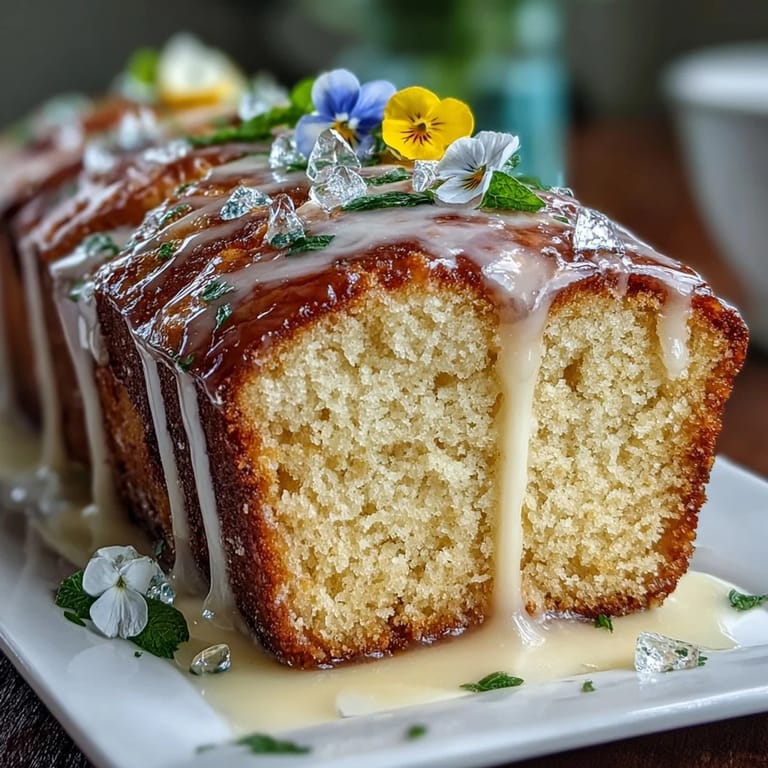
- The moment the cake comes out of the oven, use a skewer or fork to poke holes all over the top—not too deep, just enough to let the glaze seep in. Slowly pour the drizzle over the warm cake, watching it sink into those little holes and pool on the surface.
- Cool in the Tin:
- Let the cake sit in the tin until it's completely cool, which gives the drizzle time to set and the crumb time to firm up. This patience is rewarded when you unmold it and it doesn't crack.
- Decorate Just Before Serving:
- Transfer the cooled cake to a serving platter and scatter the edible flowers on top, pressing them gently so they don't roll off. If you like, dust very lightly with icing sugar for a bit of snow on those flowers.
 Pin this
 There's a moment, right when you pour that sunny drizzle over the warm cake and watch it disappear into the holes, that you realize you've made something people will want to share. That's when it stops being about technique and becomes about the feeling of handing someone something you made with your own two hands.
Why This Cake Stays Moist
The magic isn't in any fancy ingredient—it's in the way the warm cake absorbs the lemon drizzle like a thirsty sponge. The icing sugar in that glaze dissolves into the lemon juice, creating a thin syrup that seeps down into every crumb while the cake is still holding heat. By the time it cools completely, every slice is locked in moisture that ordinary cakes lose in a day. I learned this the hard way by forgetting to poke holes once, and the drizzle just sat on top like an afterthought—never making that mistake again.
Choosing Your Edible Flowers
The flowers aren't just pretty—they're part of the promise you're making when you bake this cake. Violas have a slightly peppery note, nasturtiums are almost fruity, and rose petals are pure elegance. The key is to use them sparingly, placing them just before serving so they stay fresh and bright. I once left flowers on a cake for an hour before eating it and they started to wilt, teaching me that timing matters as much as the choice itself.
Serving Suggestions and Storage
This cake is glorious on its own, but a dollop of whipped cream or crème fraîche beside each slice turns it into something special. A cup of strong tea or a glass of cold milk is the perfect companion. The cake will keep in an airtight container for up to three days, and it often tastes better on day two when the flavors have settled and deepened.
- Serve it at room temperature so the lemon flavor sings instead of being muted by cold.
- If you're making it ahead, decorate with flowers just before guests arrive so they stay perky and perfect.
- A thin slice with good coffee is how this cake is meant to end an ordinary Wednesday.
 Pin this
 This cake has a way of turning ordinary moments into something worth remembering. Hand a slice to someone and watch what happens.
Frequently Asked Recipe Questions
- → How do I ensure the edible flowers are safe to use?
Use flowers specifically marked as edible and pesticide-free. Always check for allergies before serving.
- → Can I make the drizzle more zesty?
Yes, adding extra lemon zest to the drizzle intensifies citrus aroma and flavor.
- → How do I know when the cake is baked through?
Insert a skewer into the center; it should come out clean or with a few crumbs attached.
- → What are good serving suggestions for this lemon cake?
Serve with whipped cream or a dollop of crème fraîche to complement the tangy drizzle.
- → Is there a gluten-free version of this cake?
Replace self-raising flour with a gluten-free mix and add 1 tsp baking powder for best results.
- → How should I decorate the cake with edible flowers?
Lightly dust the cooled cake with icing sugar and carefully arrange assorted edible flowers on top before serving.