 Pin this
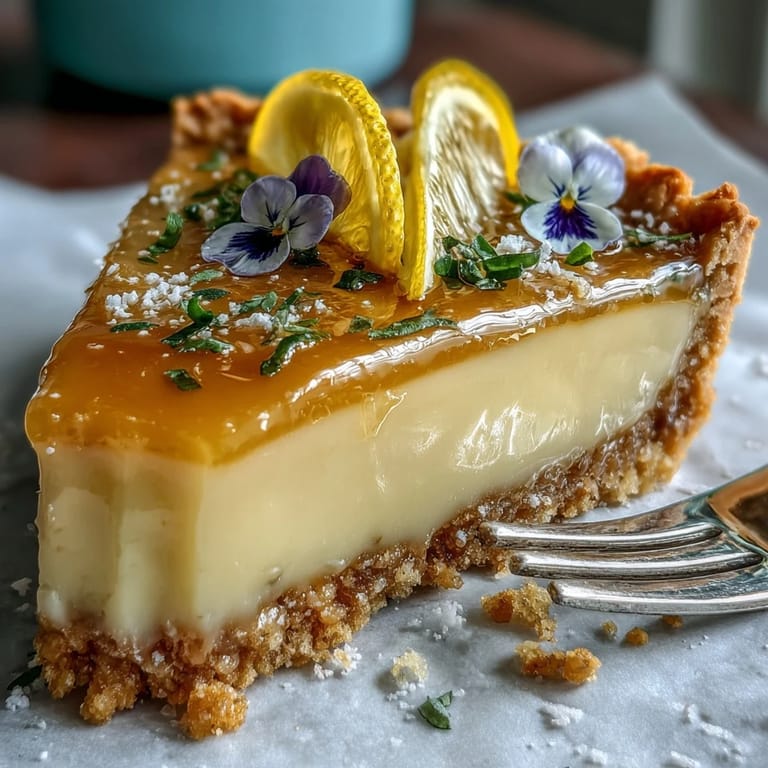
 The scent of freshly zested lemons always snaps me into spring mode, but the first time I made a lemon curd tart it was because I wanted something dazzling yet simple for a last-minute brunch. It was late afternoon, sunlight flickering through kitchen window panes, and every surface was dusted with flour or traces of pale yellow zest. As the tart shell baked, the buttery aroma mingled with citrus in a way that made the waiting almost as wonderful as the eating. Slicing through the finished tart, I remember thinking: bright desserts just have a way of making ordinary days special. There’s something about the shine of silky curd beneath a tumble of edible flowers that still feels like celebrating, even when there’s no occasion.
One rainy April, my neighbor popped in with a basket of purple pansies, and we decided to bake together just to beat the gloom. We ended up chatting for hours over bowls and pans, swiping sneaky spoonfuls of curd and debating which flowers looked prettiest curled on top. By the time we sliced into the tart, the kitchen was full of laughter—and, somehow, the rain seemed far less dreary. Ever since, a lemon tart has become my ideal excuse to gather a few friends around the table, rain or shine.
Ingredients
- All-purpose flour: The backbone of the tart shell; chilling the dough ensures those crisp, flaky layers—don't rush it.
- Unsalted butter: Cold and cubed, your best ally for a tender, shattering pastry—work quickly so it stays cold.
- Powdered sugar: Lends a shortbread texture to the crust and dissolves beautifully into the dough.
- Egg yolk: Adds richness, softness, and subtle color—the trick is to mix it in gently.
- Cold water: Drizzle in just enough to bring your dough together; too much will make it tough.
- Salt: Just a pinch, but it sharpens all the flavors in the pastry.
- Eggs: For the curd, whole eggs create that lush, velvety texture—make sure they’re room temperature so they blend smoothly.
- Granulated sugar: Balances the lemon’s bite and brings delicate sweetness to the curd.
- Lemon zest: Don’t skip this! It perfumes the curd and gives it bright, true citrus flavor—choose unwaxed lemons if you can.
- Fresh lemon juice: The star power; use fresh-squeezed for zing that bottled juice just can’t deliver.
- Unsalted butter (for curd): Whisked in last, it’s what gives the curd its luxurious silkiness—add it off the heat so it stays smooth.
- Edible flowers: Violets, pansies, or nasturtiums add color and a whiff of spring—just be certain they’re pesticide-free.
- Fresh mint leaves (optional): A sprinkling of mint is like a breath of fresh air atop the creamy richness.
Tired of Takeout? 🥡
Get 10 meals you can make faster than delivery arrives. Seriously.
One email. No spam. Unsubscribe anytime.
Instructions
- Blend the Tart Dough:
- Add flour, powdered sugar, and salt to your food processor and pulse a few times before adding the ice-cold cubes of butter—wait until you see pea-sized bits.
- Bring Dough Together:
- Pulse in the egg yolk and a splash of cold water—a little at a time—just until the dough barely clumps; overmixing turns it tough.
- Chill and Roll:
- Form the dough into a disk, wrap, and let it rest in the fridge, then roll it out on a lightly floured counter until it’s thin enough to drape in your tart pan.
- Blind Bake:
- Press the dough into the pan, dock with a fork, and chill—don’t skip this or the shell will shrink—then bake with weights to keep it flat and finish baking until golden and crisp.
- Whisk the Lemon Curd:
- In a saucepan, whisk the eggs, sugar, zest, and juice until smooth, then cook gently, stirring constantly, until it thickens enough to coat the back of a spoon—but never let it boil.
- Enrich and Strain:
- Off the heat, whisk in the cold butter for that glossy finish and strain the curd through a sieve—you want it impossibly smooth.
- Fill and Set:
- Pour curd into the cooled tart shell and smooth the top; chill for at least an hour so the curd sets to a sliceable, custardy texture.
- Adorn with Flowers:
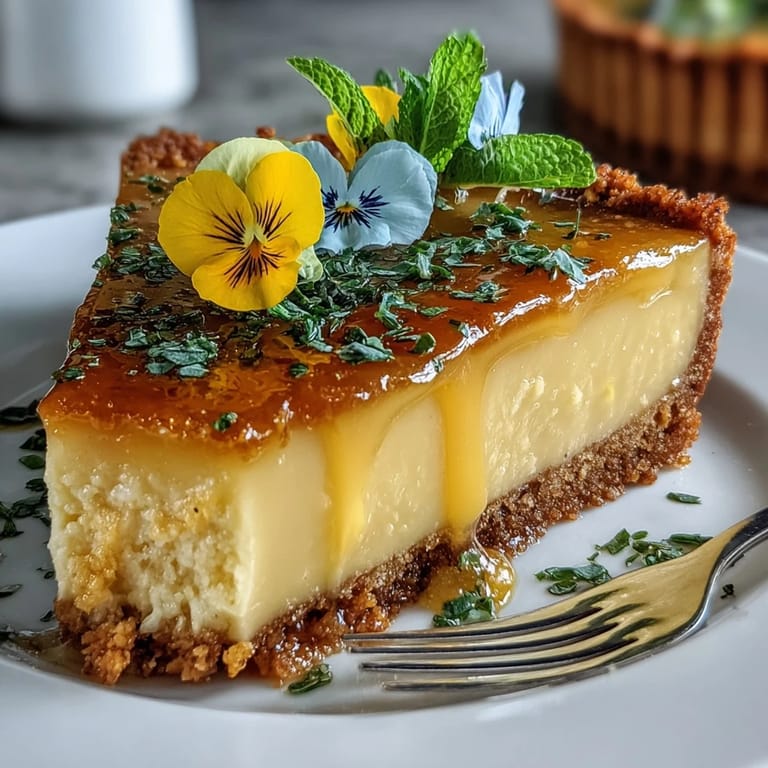
- Just before serving, scatter edible flowers and mint leaves over the tart—invite everyone to claim their favorite bloom before slicing it open.
 Pin this
 The day we brought the tart to a picnic under the budding cherry trees, I realized how a shared dessert can turn a small gathering into a tiny celebration. Watching everyone’s faces light up at the first bite, I felt just quietly—deeply—contented, as though I’d bottled up sunshine for everyone to enjoy.
Choosing Your Edible Flowers
Edible flowers give this tart its wow factor, but after one not-so-great batch from the grocery, I started checking every petal for freshness and flavor. Violets and pansies are delicate and slightly sweet, while nasturtiums bring a bit of peppery spice. Whenever possible, I pick them from a trusted garden or a local market I know well. Remember, always make sure they’re food-safe and unsprayed—for beauty you can really taste.
Bakery-Level Lemon Curd at Home
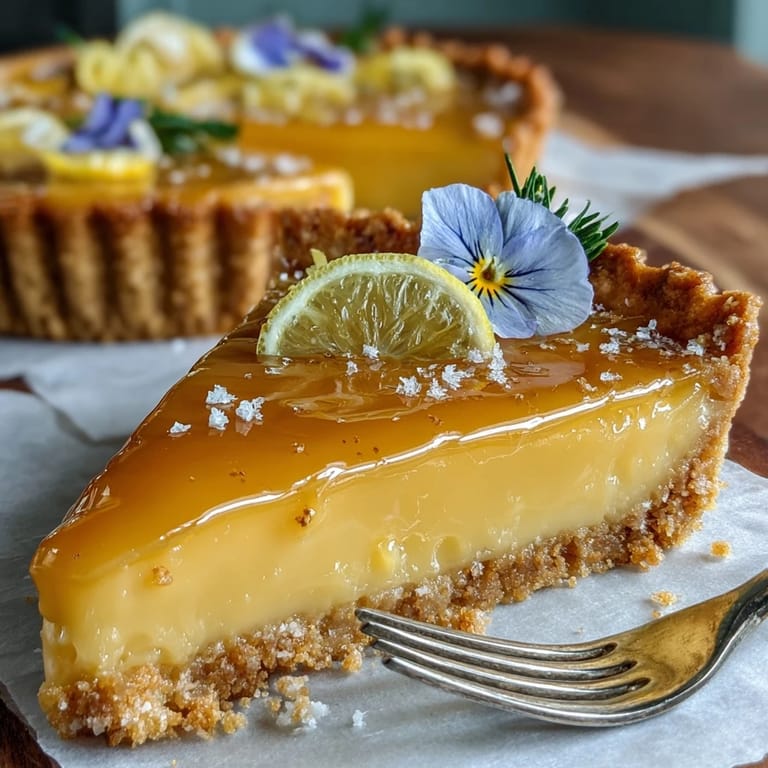
The first time I didn’t strain the curd, I ended up with little bits of zest and egg—it tasted great, but wasn’t quite that luminous yellow you see in patisserie windows. Whisking constantly and cooking gently—never letting the mixture boil—gives you that plush, tongue-coating texture. Adding the butter off heat stops any scrambling and gives a silken gloss. Cool fully before filling and you’ll have a curd worthy of any bakery case.
Making Ahead and Serving Tips
On busy weekends, I’ve learned this tart is happiest if you make both shell and curd a day in advance—assemble and decorate just before serving for the freshest result. The tart stays crisp if you chill the filled shell uncovered, and any leftovers (rare!) taste even brighter on day two. If you want to go all out, serve slices with a dollop of cold whipped cream and a flourish of mint leaves.
- Always let the baked shell cool completely to avoid a soggy base.
- If you’re in a rush, both shell and curd can be made ahead separately.
- Leftover tart keeps well in the fridge for up to two days—just add the flowers fresh.
 Pin this
 Bright, buttery, and beautiful—this tart always brings a little joy to the table, no matter the season. Here’s to moments of sunshine, wherever you find them.
Frequently Asked Recipe Questions
- → How do I prevent the curd from curdling?
Cook the curd over medium-low heat and whisk constantly. Remove from heat as soon as it thickens and coats the spoon; avoid boiling. Straining through a fine sieve smooths out any small bits.
- → What’s the best way to keep the tart shell crisp?
Blind-bake the shell with parchment and weights until edges are golden, then bake briefly again after removing weights. Ensure the shell is fully cooled before adding chilled curd to avoid steam softening the base.
- → Can I make components ahead of time?
Yes—lemon curd can be made a day ahead and refrigerated; bring it to room temperature before filling. The shell can be baked and stored airtight for a day to preserve crispness.
- → How long should the tart chill before serving?
Chill for at least one hour, until the curd is set. For a firmer set and cleaner slices chill longer, about 2 hours. Serve chilled or slightly cool for best texture.
- → Any tips for decorating with edible flowers?
Use fresh, food-safe flowers and add them just before serving to preserve color and texture. Pair smaller blooms like violets with mint leaves for contrast and to balance sweetness.
- → Can I adapt the shell for dietary needs?
Substitute a gluten-free flour blend 1:1 for the crust to make it gluten-free; chilling and blind-baking as instructed helps maintain structure. For dairy-free curd, use a plant-based butter alternative and monitor texture closely.