 Pin this
 The gentle hum of bees outside my window always signaled spring, but it wasn't until a neighbor gifted me a jar of dandelion honey that I found a reason to bake these scones. The honey's sunlit sweetness brought out a floral warmth, inspiring a lazy afternoon spent dusted in flour and surrounded by laughter. Baking them became a ritual—one that started with curiosity and ended in a kitchen perfumed with buttery sweetness. The first batch barely cooled before we slathered each scone in clotted cream, marveling at how something so simple felt celebratory. Dandelion honey became my secret ingredient for turning a gloomy day golden.
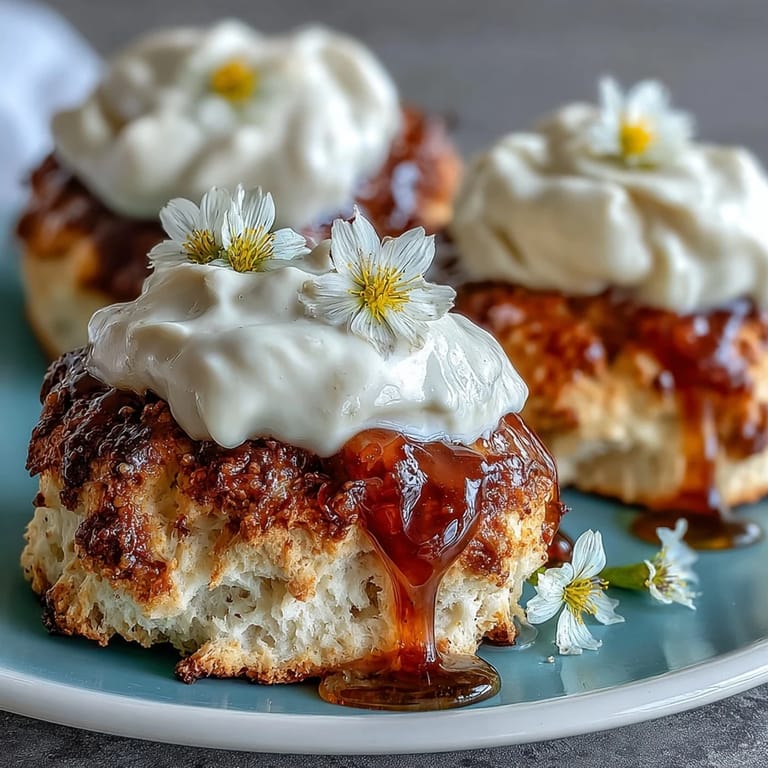
One breezy April morning, I invited a few friends for tea, expecting nothing more than chatter and biscuits. When I served these scones warm from the oven, the hush was immediate—everyone paused mid-sentence for their first bite. That moment, when crisp edges met pillowy crumb and honey trickled over clotted cream, made me realize these scones were more than a treat: they turned casual gatherings into cherished rituals. The batch disappeared so quickly that I ended up baking another round just to keep up with demand.
Ingredients
- All-purpose flour: Choose a quality flour for a lighter crumb, and sift it once for extra tenderness.
- Granulated sugar: Adds gentle sweetness without overpowering the honey's subtle notes.
- Baking powder: Fresh baking powder ensures the scones rise beautifully—check the expiration date before you begin.
- Fine sea salt: Enhances flavor and keeps the sweetness balanced.
- Cold unsalted butter: Cutting it into cubes and working quickly keeps the scones flaky and light.
- Dandelion honey: If you can't find it, a mild honey like acacia works—don't use dark, robust varieties or you'll lose the floral touch.
- Whole milk: Brings richness; make sure it's extra cold when mixing to help the dough come together.
- Large egg: Acts as a binder and adds a touch of richness—whisk it until frothy for even distribution.
- Dandelion honey, for drizzling: A finishing drizzle makes every bite special and more fragrant.
- Clotted cream: If unavailable, thick crème fraîche or mascarpone offers a luxurious alternative.
Tired of Takeout? 🥡
Get 10 meals you can make faster than delivery arrives. Seriously.
One email. No spam. Unsubscribe anytime.
Instructions
- Get Your Oven Ready:
- Turn the dial to 400°F (200°C) and line a baking sheet with parchment paper—it's easier to clean up and keeps the scones from sticking.
- Whisk the Dry Ingredients:
- In a roomy bowl, toss flour, sugar, baking powder, and salt together, letting the gentle swish of the whisk aerate the mixture.
- Blend in the Butter:
- Drop the cold cubes in and work them gently with your fingers or a pastry blender until you see crumbly, sandy texture—don't overdo it or they'll lose flakiness.
- Mix the Wet Ingredients:
- In another bowl, beat together honey, milk, and egg until creamy and golden, watching as the honey threads through the milk.
- Combine Wet & Dry:
- Pour wet into dry, stirring with a fork just enough to bring the dough together—it's alright if it's rustic and a bit shaggy.
- Shape the Dough:
- Dust your counter with flour, tip the dough out, and gently pat into a 1-inch thick round—avoid kneading, just coax it into shape.
- Cut Out Scones:
- Use a 2.5-inch cutter and press straight down, then transfer rounds to your lined sheet; gather remaining dough and repeat until it's all used.
- Brush & Bake:
- Use a pastry brush to dab milk on top, then slide them in the oven for 12-15 minutes—your kitchen will fill with a buttery, floral aroma.
- Cool and Serve:
- Set baked scones onto a wire rack, then enjoy warm or at room temperature, topped generously with clotted cream and a drizzle of honey.
 Pin this
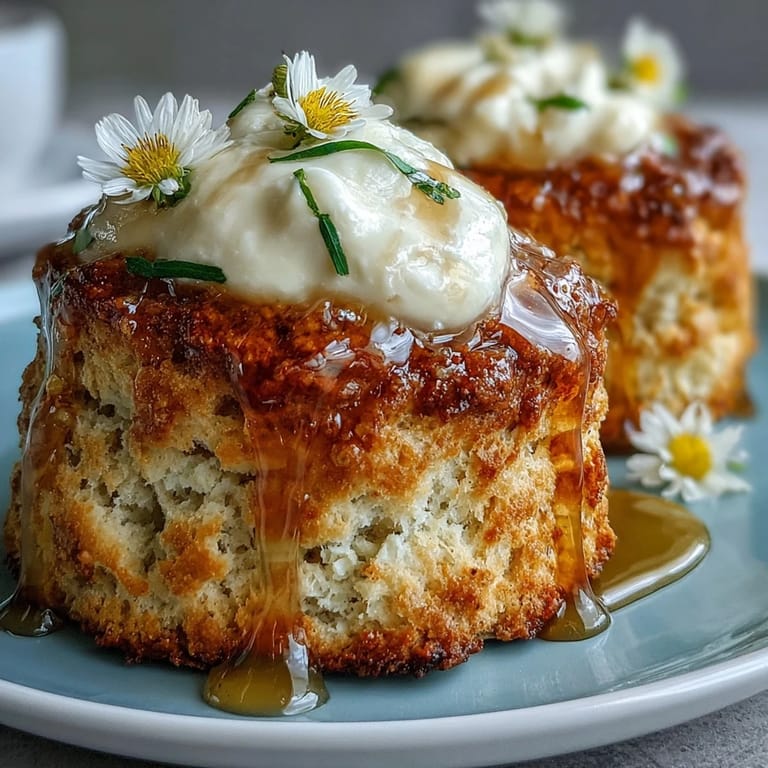
 The day my niece first helped with these scones, flour ended up everywhere—including her hair—but her meticulous honey drizzle made each serving feel thoughtful. Sharing those scones as she giggled and insisted on extra cream reminded me how baking can turn ordinary afternoons into memorable small celebrations. Sometimes, it's the little mishaps that make the stories worth retelling.
Scone Texture Secrets
One trick I learned: always use cold butter and milk, and try to chill the dough for a few minutes before cutting. This slows the melting, letting steam lift your scones as they bake. If you see uneven bits in your dough, that's perfect—it creates pockets of lightness and flavor. The difference is subtle, but every bite feels tender and airy. Don't worry if the shapes aren't identical; rustic charm tastes best.
How to Serve for Maximum Delight
Set a plate of these scones next to a pitcher of tea and watch them vanish. Serve them warm, if possible, so the clotted cream melts into the crumb. A drizzle of dandelion honey brings extra floral sweetness that pairs beautifully. Add some fresh berries if you want a pop of seasonal color. Each topping makes the scone just a little more special.
Make-Ahead & Storage Tips
If you have leftovers, store scones in an airtight container; they'll stay soft for two days, though best enjoyed fresh. You can freeze unbaked scones overnight, then bake them straight from the freezer, adding a couple extra minutes. Rewarm gently in the oven for that just-baked taste.
- Never refrigerate baked scones as it dries them out.
- Line the container with a sheet of parchment to prevent sticking.
- Clotted cream keeps well in the fridge, but don&apost freeze it.
 Pin this
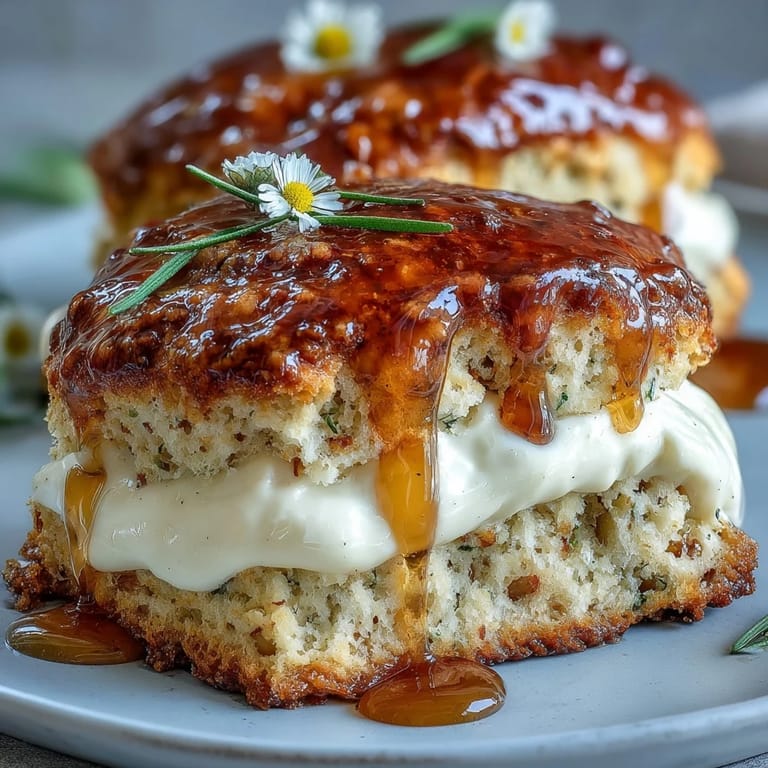
 If you find yourself baking these for friends or family, enjoy the simple joy that comes from sharing something homemade. Scones never fail to bring people together around the table.
Frequently Asked Recipe Questions
- → How do I ensure my scones stay tender?
Keep the butter cold and avoid overmixing the dough for a light, fluffy texture.
- → Can I substitute dandelion honey?
Yes, use any mild-flavored honey to maintain subtle sweetness.
- → What is the best alternative to clotted cream?
Thick crème fraîche or mascarpone can be used if clotted cream is unavailable.
- → How should scones be served?
Serve warm or at room temperature with a drizzle of honey and clotted cream.
- → Can I add floral notes to the scones?
Add 1 teaspoon of dried dandelion petals to the dry ingredients for extra flavor.