 Pin this
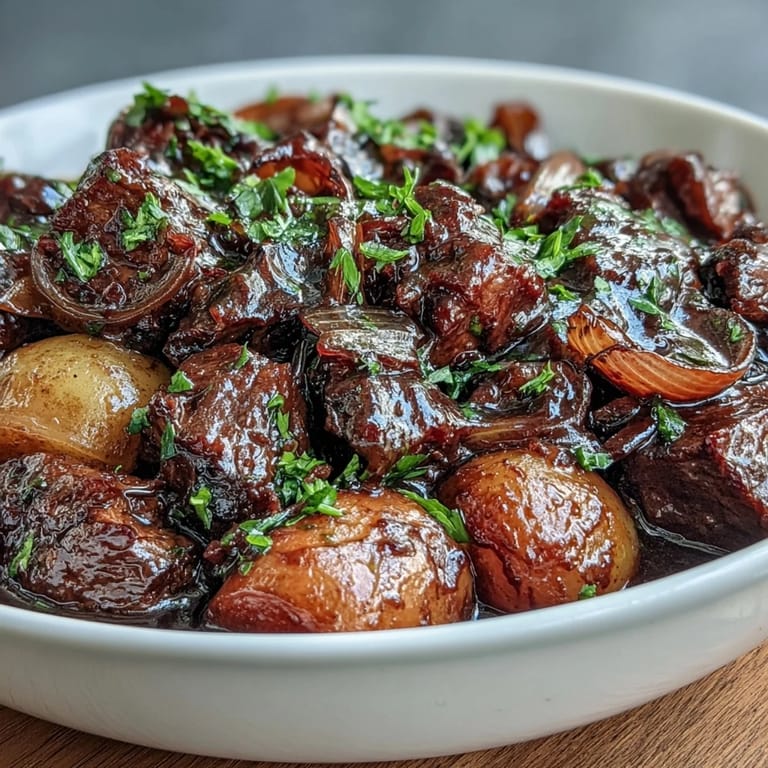
 Experience the ultimate Japanese comfort food with Nikujaga, a classic home-style stew of tender beef and potatoes. Simmered in a sweet and savory dashi broth, this dish is a staple of Japanese home cooking, offering a rich, glossy finish that is both satisfying and soul-warming. Perfect for a cozy family dinner, it brings a balance of delicate flavors and hearty ingredients to your table.
Pin this Nikujaga literally translates to "meat and potatoes," but the addition of onions, carrots, and optional shirataki noodles creates a complex profile of textures. The secret lies in the slow braise, allowing the vegetables to soak up the dashi and soy sauce until they are tender and full of umami. It is a dish that tastes even better the next day as the flavors continue to meld.
Ingredients
Tired of Takeout? 🥡
Get 10 meals you can make faster than delivery arrives. Seriously.
One email. No spam. Unsubscribe anytime.
Meat & Vegetables
- 300 g thinly sliced beef (such as chuck or ribeye)
- 600 g waxy potatoes, peeled and cut into large chunks
- 2 medium onions, sliced
- 1 large carrot, peeled and sliced into thick rounds
- 100 g shirataki noodles (optional, rinsed and drained)
- 100 g snow peas or green beans, trimmed (optional)
Sauce
- 400 ml dashi stock (or water with 1 tsp instant dashi powder)
- 4 tbsp soy sauce
- 3 tbsp mirin
- 2 tbsp sake
- 2 tbsp sugar
Oil
- 1 tbsp neutral oil (e.g., canola or vegetable oil)
Instructions
- Step 1
- Heat the oil in a large saucepan or deep skillet over medium heat.
- Step 2
- Add the sliced onions and sauté for 2-3 minutes until just softened.
- Step 3
- Add the beef and cook until lightly browned, stirring often.
- Step 4
- Add the potatoes and carrots, mixing to combine.
- Step 5
- Pour in the dashi stock, then add soy sauce, mirin, sake, and sugar. Stir well.
- Step 6
- Bring to a gentle boil. Skim off any foam or impurities that rise to the surface.
- Step 7
- Reduce heat to low, cover with a lid slightly ajar, and simmer for 20-25 minutes until the potatoes are tender and the flavors have melded.
- Step 8
- If using shirataki noodles, add them about 10 minutes before the end of cooking.
- Step 9
- For a glossy finish, remove the lid for the final 5 minutes and let the sauce reduce slightly.
- Step 10
- Add snow peas or green beans in the last 2-3 minutes so they stay bright and crisp.
- Step 11
- Serve hot with steamed white rice.
Zusatztipps für die Zubereitung
To ensure a clear and refined sauce, be diligent about skimming off the foam that rises to the top during the initial boil. Cooking with the lid slightly ajar prevents the liquid from boiling over while allowing the vegetables to cook through evenly without becoming mushy.
Varianten und Anpassungen
While beef is traditional, thinly sliced pork is a popular substitute. For a vegetarian version, swap the meat for firm tofu and use a vegetable-based dashi. You can also customize the sweetness by adjusting the ratio of sugar and mirin to your personal preference. For a gluten-free dish, use tamari or certified gluten-free soy sauce.
Serviervorschläge
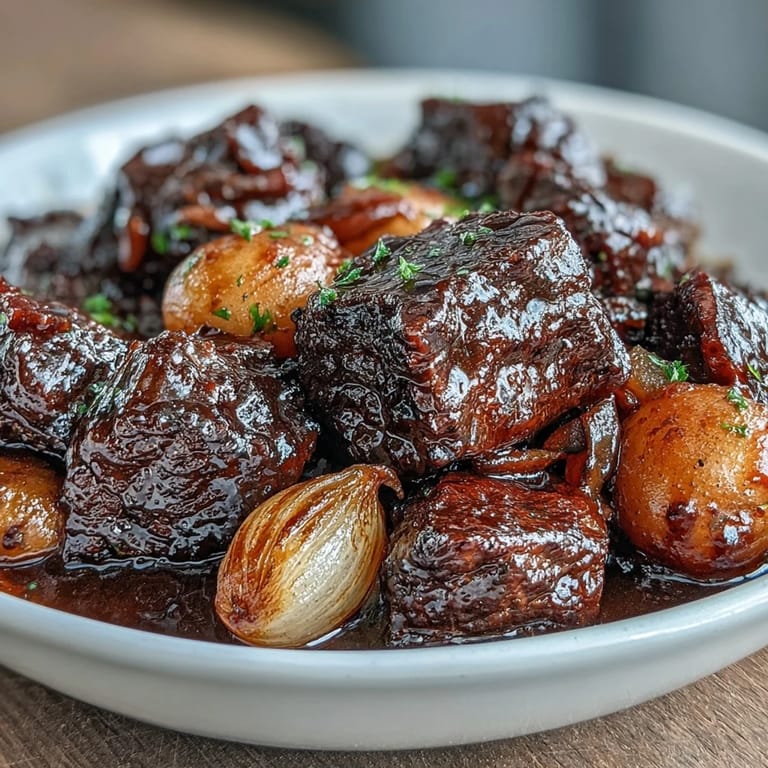
Serve your Nikujaga steaming hot in a deep bowl alongside a side of fluffy white rice to soak up the savory sauce. To complete the Japanese dining experience, pair the meal with a cup of hot green tea or a glass of chilled sake.
 Pin this
 Whether you are looking for a nutritious weeknight dinner or a comforting weekend meal, Japanese Nikujaga provides a balanced blend of protein and vegetables. Each serving contains approximately 350 calories, 11g of fat, 41g of carbohydrates, and 20g of protein, making it a wholesome addition to your recipe rotation.
Frequently Asked Recipe Questions
- → What cut of beef is best for this dish?
Thinly sliced chuck or ribeye works well as they cook quickly and remain tender during simmering.
- → Can I substitute the potatoes?
Waxy potatoes are preferred to maintain shape; avoid starchy varieties to prevent disintegration during cooking.
- → What role do mirin and sake play?
Mirin adds a gentle sweetness while sake enhances depth and balances the savory soy sauce base.
- → How should I adjust the sweetness?
Vary sugar and mirin amounts according to taste, adding gradually until the desired balance is reached.
- → Can this dish be made gluten-free?
Use tamari or certified gluten-free soy sauce and ensure dashi stock ingredients are gluten-free.
- → What's the best way to serve this dish?
Traditionally served hot alongside steamed white rice, enhancing the rich flavors and providing a balanced meal.