 Pin this
 My neighbor once asked why my kids ate pasta three nights in a row without complaining. I didn't tell her right away that half the sauce was vegetables they'd normally push to the side of the plate. This sauce came together on a weeknight when I had too many zucchini from a friend's garden and a stubborn toddler who refused anything green. The blender was my secret weapon, and the kitchen smelled like an Italian grandmother had taken over.
I remember serving this to my sister's family during a chaotic Sunday dinner. Her son, who once staged a protest against broccoli, asked for seconds and even soaked up the extra sauce with bread. My sister looked at me across the table with that knowing smile parents exchange when they've won a small victory. We didn't say a word about the zucchini until weeks later, and by then, he was already hooked.
Ingredients
- Carrots: They add natural sweetness and a silky texture once pureed, plus they blend invisibly into the tomato base.
- Zucchini: This mild vegetable bulks up the sauce without changing the flavor, and it practically melts into the background.
- Spinach: Fresh spinach wilts down to almost nothing, adding iron and a deep color that just looks like rich tomato sauce.
- Onion and garlic: These aromatics build the savory foundation, and sauteing them first makes the whole kitchen smell like you know what you're doing.
- Olive oil: Use a good quality oil for sauteing because it carries the garlic flavor and keeps everything from sticking.
- Crushed tomatoes: The base of the sauce, and using canned saves time without sacrificing that deep tomato flavor.
- Tomato paste: This concentrate adds thickness and intensity, turning a thin sauce into something that clings to pasta perfectly.
- Oregano and basil: Dried herbs are your friends here because they release slowly during the simmer and taste like you've been cooking all afternoon.
- Salt, pepper, and sugar: The sugar is optional, but it tames any bitterness from the tomatoes and balances everything beautifully.
- Parmesan cheese: Stir it in at the end for a nutty, salty finish, or skip it to keep the sauce vegan.
Tired of Takeout? 🥡
Get 10 meals you can make faster than delivery arrives. Seriously.
One email. No spam. Unsubscribe anytime.
Instructions
- Start with the aromatics:
- Heat the olive oil in a large saucepan over medium heat, then add the chopped onion and minced garlic. Let them sizzle and soften for about 3 minutes, stirring occasionally so the garlic doesn't burn and turn bitter.
- Cook the hidden veggies:
- Toss in the carrots and zucchini, stirring them into the fragrant oil. Cook for 5 to 7 minutes, until they start to soften and lose their raw edge, then add the spinach and watch it wilt down in about 2 minutes.
- Build the tomato base:
- Pour in the crushed tomatoes and stir in the tomato paste until everything is well mixed. Sprinkle in the oregano, basil, salt, pepper, and sugar if you're using it, then bring the whole pot to a gentle simmer.
- Simmer until tender:
- Cover the pan, lower the heat, and let it simmer for 20 minutes, stirring every now and then. The vegetables should be completely soft and almost falling apart, which means they'll blend up smooth.
- Blend it smooth:
- Let the sauce cool for a few minutes so it doesn't splatter, then use an immersion blender right in the pot, or carefully transfer it in batches to a countertop blender. Puree until the sauce is completely smooth and velvety.
- Finish and serve:
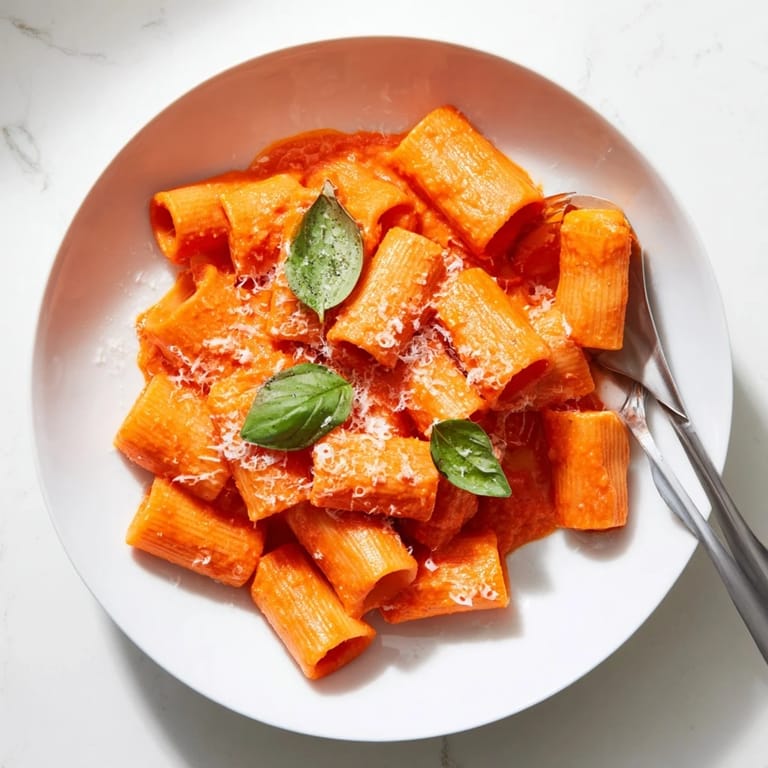
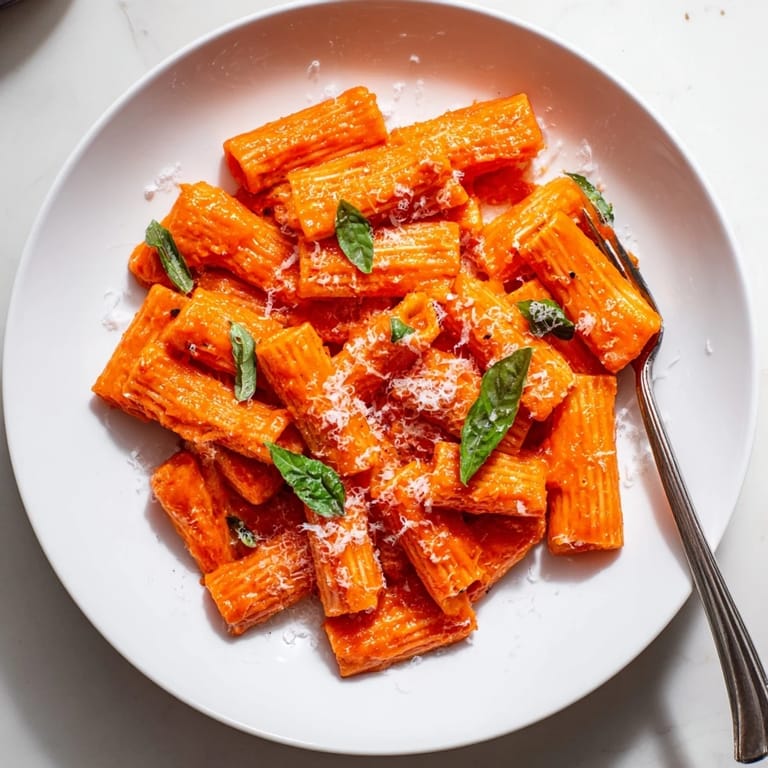
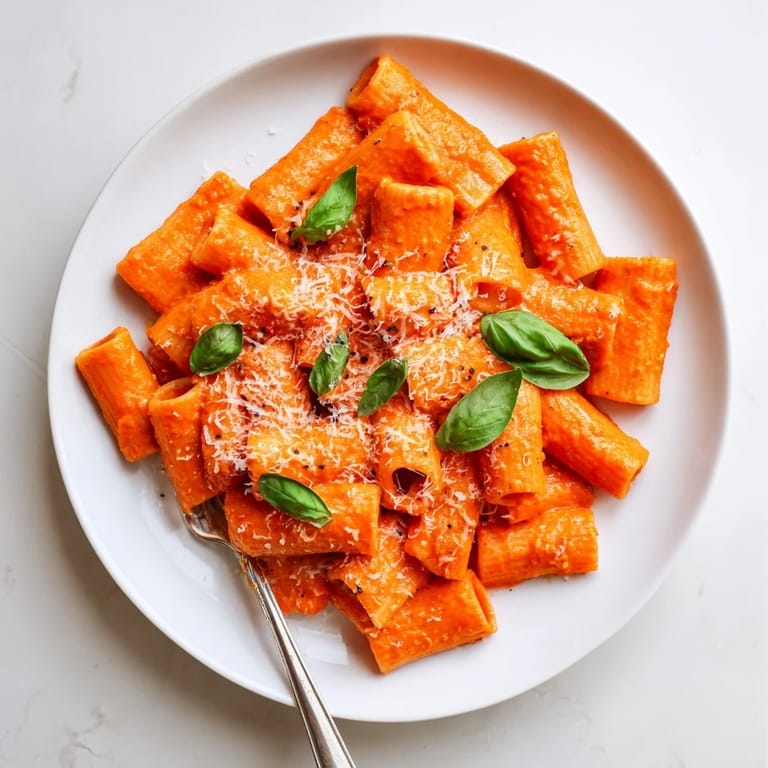
- Return the sauce to the heat if needed, taste it, and adjust the salt or pepper. Stir in Parmesan if you like, then spoon it over hot pasta and garnish with fresh basil.
 Pin this
 One evening, I packed up jars of this sauce for a friend who'd just had a baby. She texted me a week later saying her four year old asked if the red sauce was magic because it tasted better than anything else in the freezer. I told her the secret, and now she makes a double batch every month. That's when I realized this sauce was more than a trick, it was a quiet way to take care of people.
How to Store and Freeze
This sauce keeps in the fridge for up to five days in an airtight container, and it actually tastes better the next day after the flavors have had time to settle. For longer storage, freeze it in individual portions using freezer safe jars or silicone muffin cups, then pop them out and store in a bag. I learned the hard way to leave a little room at the top of jars because the sauce expands as it freezes, and I've cracked more than one glass container that way.
What to Serve It With
Obviously this sauce is perfect over any pasta, but I've also used it as a base for baked ziti, stirred it into soup, and even spread it on homemade pizza. One night I tossed it with sauteed chicken and served it over rice, and my husband didn't even notice it wasn't traditional pasta night. It's become my go to anytime I need a versatile, veggie packed sauce that works with whatever I have on hand.
Making It Your Own
You can swap the vegetables based on what's in your crisper drawer, I've used bell peppers, celery, and even finely chopped mushrooms with great results. If you want extra creaminess, stir in a splash of heavy cream or a tablespoon of butter after blending, it makes the sauce taste almost decadent. For a little heat, add red pepper flakes when you add the other seasonings, and for a deeper flavor, throw in a parmesan rind during the simmer and fish it out before blending.
- Try adding a bay leaf during the simmer for a subtle herbal note, just remember to remove it before blending.
- If your kids are picky about texture, blend the sauce a little longer to make sure it's completely smooth.
- Leftovers can be stirred into scrambled eggs or used as a dip for breadsticks, and no one will complain.
 Pin this
 This sauce has become my weeknight insurance policy, and I never feel guilty about serving pasta when I know there's a rainbow of vegetables hiding inside. It's proof that healthy food doesn't have to announce itself, sometimes it just needs to taste really good.
Frequently Asked Recipe Questions
- → Can I use frozen vegetables instead of fresh?
Yes, frozen vegetables work well in this sauce. Thaw and drain excess moisture before adding. Cooking time may be slightly reduced since frozen vegetables are often pre-blanched.
- → How do I prevent the sauce from being too watery?
After blending, simmer uncovered for an additional 5-10 minutes to reduce excess liquid. The tomato paste also helps thicken the sauce naturally as it cooks.
- → What type of blender works best for this sauce?
An immersion blender is most convenient for blending directly in the pot. A countertop blender also works well—just blend in batches and be careful with hot liquids, leaving the lid slightly open to release steam.
- → Can I add other vegetables to this sauce?
Absolutely! Bell peppers, celery, cauliflower, and mushrooms all blend well. Keep proportions similar and ensure vegetables are fully softened before blending for the smoothest texture.
- → How long does this sauce last in the refrigerator?
Store in an airtight container for up to 5 days in the refrigerator. The flavors often develop and improve after a day or two. Reheat gently on the stovetop or microwave before serving.
- → Why add sugar to tomato sauce?
Sugar balances the natural acidity of tomatoes, creating a more rounded flavor. Start with the recommended amount and adjust to taste based on your tomatoes' sweetness level.