 Pin this
 I discovered this dish completely by accident while scrolling through my phone at midnight, half-asleep, and somehow stumbled into a rabbit hole of cottage cheese pasta videos. My first thought was skepticism, honestly—cottage cheese in pasta sounded like one of those internet trends destined to disappoint. But then I actually tried it, and something magical happened: the blended cottage cheese turned into this impossibly silky, protein-packed sauce that made me wonder why I hadn't thought of it sooner. Now it's become my go-to when I want something that feels indulgent but doesn't leave me feeling weighed down.
The first time I made this for my roommate, I was genuinely nervous about serving her cottage cheese pasta—I could see the hesitation flash across her face when I mentioned the main ingredient. But after one bite, she looked up from her bowl with this expression of pure surprise and asked for seconds before she'd even finished her first serving. That moment, watching someone's skepticism melt into genuine appreciation, is when I knew this recipe had staying power in my regular rotation.
Ingredients
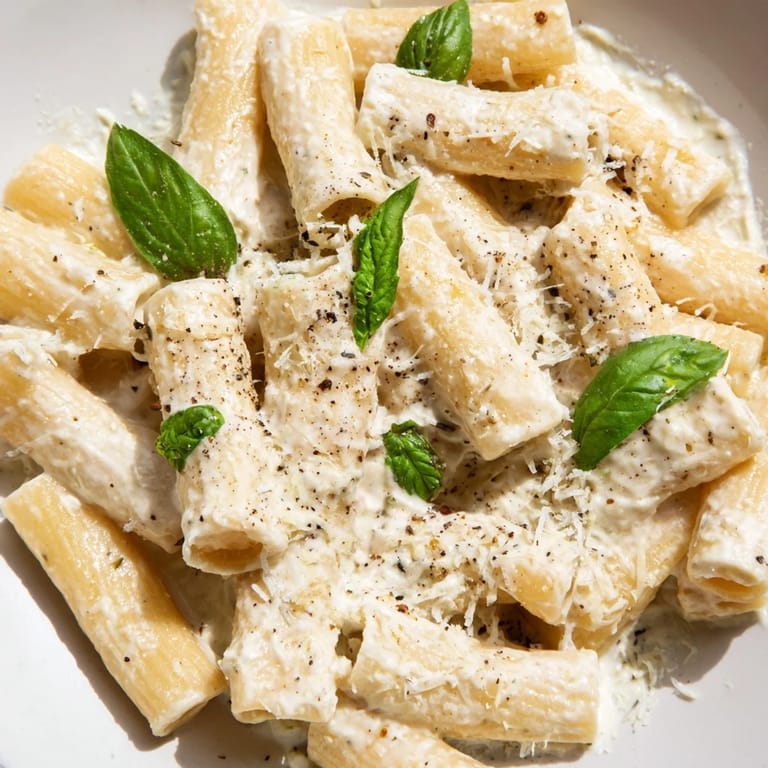
- Pasta (180 g): Any shape works beautifully here, though I prefer penne or rigatoni because they catch and hold the sauce in all their little crevices—spaghetti gets the job done but feels like it slides right through.
- Cottage cheese (200 g): This is the star, and honestly, it doesn't matter if you grab full-fat or low-fat—I've used both and the results are nearly identical, so just grab whatever's in your fridge.
- Parmesan cheese (30 g): Freshly grated makes a real difference here; the pre-shredded stuff has cellulose in it that can make the sauce feel slightly grainy, which you'll absolutely notice once you've tasted the smooth version.
- Milk (2 tbsp): Use regular whole milk if you have it, but I've also used oat milk and almond milk in a pinch—the blender does all the heavy lifting anyway.
- Garlic (1 clove): Minced fresh garlic is crucial; garlic powder will make this taste flat and one-dimensional, trust me on this one.
- Olive oil (1 tbsp): This adds richness and helps emulsify everything into that silky sauce we're after.
- Black pepper and salt: Season to your taste as you go; cottage cheese can be mild, so these seasonings are your chance to wake it up.
- Italian herbs (½ tsp, optional): I usually skip these and rely on fresh basil at the end, but dried herbs can save you if you don't have fresh on hand.
- Fresh basil, extra Parmesan, red pepper flakes: These finishing touches transform the whole dish from simple to elegant.
Tired of Takeout? 🥡
Get 10 meals you can make faster than delivery arrives. Seriously.
One email. No spam. Unsubscribe anytime.
Instructions
- Get the pasta going:
- Bring a large pot of salted water to a boil and cook your pasta according to the package directions until it's al dente—that perfect moment where it's tender but still has a slight resistance when you bite it. Before you drain it, scoop out about half a cup of that starchy pasta water and set it aside; it's liquid gold for adjusting your sauce consistency later.
- Blend the magic:
- While the pasta cooks, add the cottage cheese, Parmesan, milk, minced garlic, olive oil, black pepper, salt, and herbs (if using) into your blender or food processor. Blend until it transforms into something completely smooth and creamy—this usually takes about a minute, and you want to really commit to the blending or you'll end up with a lumpy sauce that tastes completely different.
- Warm the sauce gently:
- Pour your blended sauce into a large skillet and set it over low heat, stirring occasionally until it's just warmed through. This is not the time to crank up the heat; high heat will cause the cheese to break and separate, and suddenly you've got cottage cheese curds instead of a silky sauce.
- Bring it together:
- Toss the drained pasta into the skillet with the sauce, stirring everything together so every strand gets coated. If it looks too thick, splash in some of that reserved pasta water a little at a time until you reach that silky, saucy consistency that clings to the pasta without pooling at the bottom.
- Plate and finish:
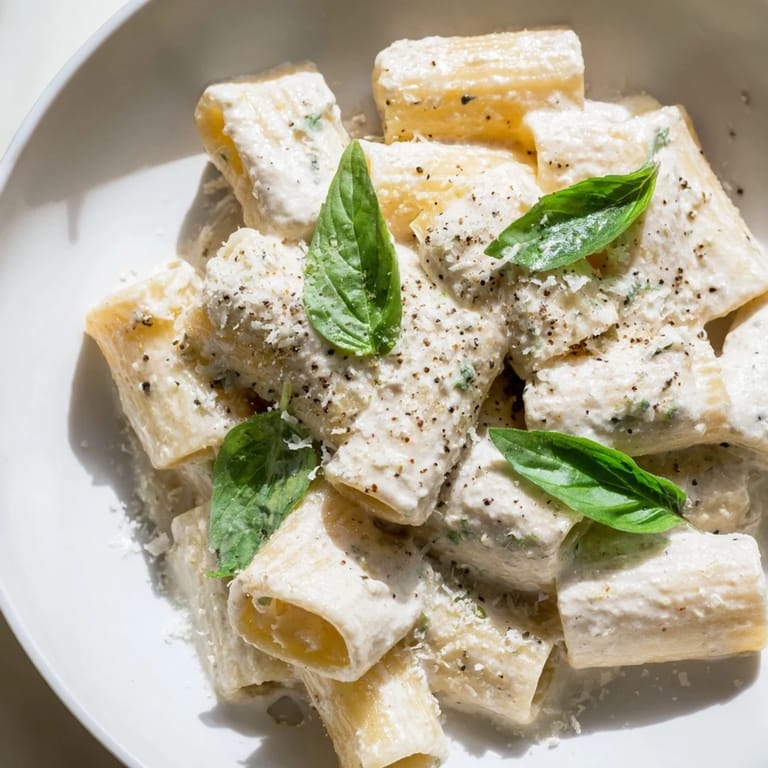
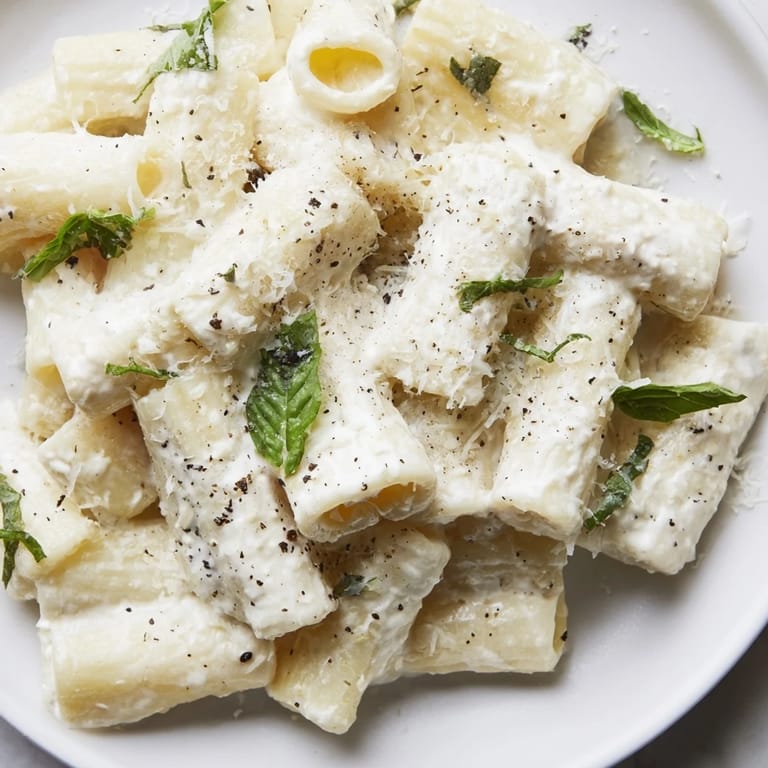
- Divide the pasta between bowls while it's still warm, then tear fresh basil over the top, add a generous shower of Parmesan, and a pinch of red pepper flakes if you like a little heat. Serve immediately while everything is still warm and the basil is still fragrant.
 Pin this
 There's something deeply satisfying about serving a dish that looks restaurant-quality but took you less time than a typical lunch break, and this pasta delivers that feeling every single time. It's the kind of meal that makes you feel like you're taking care of yourself, not just surviving another weeknight.
Why This Sauce Works
Cottage cheese gets blended smooth, which breaks down its texture into something creamy and luxurious—nothing like the chunky spoonfuls you'd eat straight from a bowl. The Parmesan adds both flavor and helps bind everything together, while the milk and pasta water work together to create exactly the consistency you want. This combination is why the sauce clings to the pasta so beautifully instead of sliding off or settling at the bottom of your bowl.
Customization Without Complaints
This recipe is remarkably flexible without becoming a guessing game, which is honestly why I make it so often. You can swap in ricotta if cottage cheese feels too bold, add roasted mushrooms or grilled chicken if you want more substance, or use whatever pasta shape makes you happy. I've even made this with whole wheat pasta and barely noticed the difference, and once I added a handful of spinach while blending the sauce, which turned it a beautiful pale green and made the whole thing feel even more nutritious.
Pairing and Serving Suggestions
This pasta shines alongside something fresh and acidic—a crisp green salad with lemon vinaigrette cuts through the richness perfectly, and if you're in the mood for wine, a glass of Pinot Grigio or something similarly bright and mineral complements every bite. I sometimes serve this with a slice of crusty bread for soaking up the sauce, though honestly, by the time I finish the bowl there's not usually much sauce left to soak.
- Pair with a simple arugula salad dressed in lemon and olive oil to balance the creaminess.
- A glass of chilled white wine or sparkling water with fresh lemon keeps everything feeling light.
- Save any leftovers in the fridge for up to two days, though I rarely have any to save.
 Pin this
 This dish proved to me that sometimes the most delicious discoveries come from the most unlikely places, and that being willing to try something that sounds weird can lead to your new favorite dinner. Make it once and you'll understand why it went viral.
Frequently Asked Recipe Questions
- → What type of pasta works best with this dish?
Penne, rigatoni, or spaghetti all pair well, providing good texture to hold the creamy sauce.
- → How can I adjust the sauce consistency?
Use reserved pasta water or extra milk to thin the sauce until it reaches a smooth, silky texture.
- → Can I use different cheeses in the sauce?
Parmesan adds a sharp flavor, but swapping cottage cheese for ricotta creates a milder, creamier base.
- → Is this dish suitable for a vegetarian diet?
Yes, it’s crafted without meat and uses dairy-based ingredients for protein and creaminess.
- → What garnishes enhance the flavors?
Fresh basil leaves, extra grated Parmesan, and optional crushed red pepper flakes provide aromatic and spicy notes.
- → Can I add protein options to this meal?
Yes, sautéed chicken or mushrooms can be incorporated for added protein and flavor complexity.