 Pin this
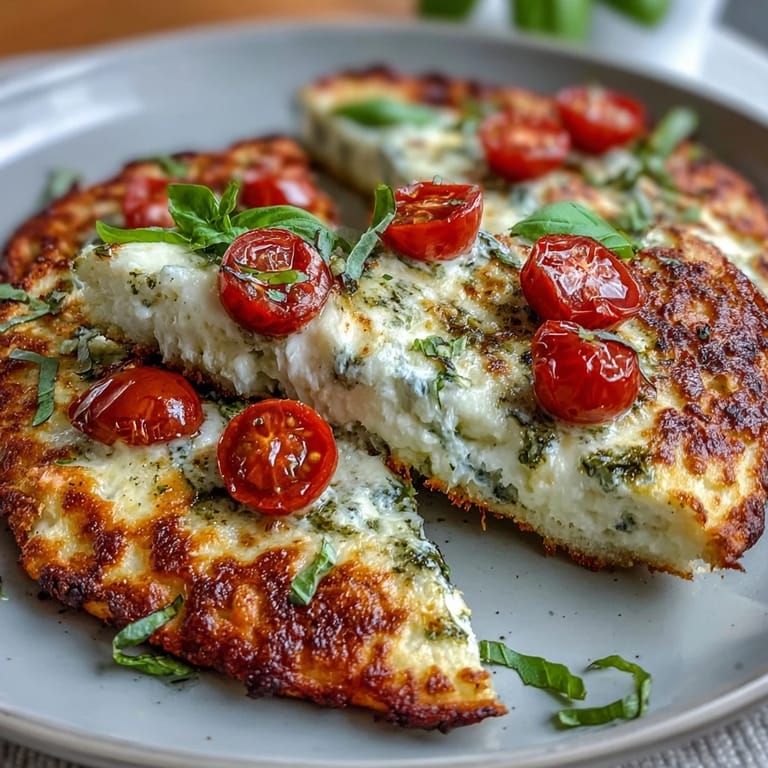
 There was something so cheerful about the sound of my blender whirring up cottage cheese for this flatbread on a bright Sunday morning. The scent of basil pesto always reminds me of open windows and the promise of an easy meal. Making these brings out my improvisational spirit: the kitchen counter covered in scattered basil leaves and flecks of flour, laughter from someone taste-testing a rogue crumb. I never planned to love cottage cheese so much—as a kid, I definitely didn’t—but it turns out a little whiz of the blender and a hot oven can totally transform it. You’ll see what I mean with the first bite.
Last spring, I pulled these out of the oven for friends who dropped by unexpectedly—and the kitchen was suddenly full of chatter about whether it was pizza, a tart, or something completely new. Watching everyone swipe their slices through a glossy puddle of pesto made me think that sometimes recipes really are best discovered together, by accident.
Ingredients
- Cottage cheese: Using full-fat makes the base very creamy, but lower fat varieties still work; blending smooth is crucial for the right texture.
- Eggs: These bind the batter and give a slight custard effect, which keeps the flatbread tender—don’t skip them.
- All-purpose flour (or gluten-free alternative): Even a small amount gives enough structure so your flatbread holds up to layering; chickpea flour adds a nutty note if you’re avoiding gluten.
- Salt: Just a pinch, but it absolutely brightens the whole mix.
- Garlic powder: I found this sneaky addition makes all the difference—fresh is tempting, but powder won’t overpower the cheese.
- Baking powder: For a little lift and airiness—don’t forget to check your tin isn’t expired.
- Basil pesto: Use homemade if you’re feeling ambitious, but a good jarred pesto makes quick work; dot it on just before serving for maximum flavor.
- Cherry tomatoes: These roast up juicy and sweet—cutting them in half saves you from chasing them off the flatbread.
- Fresh basil: Only add as you serve, so it stays bright green and fragrant.
- Freshly ground black pepper: Adds just the right gentle bite to balance the richness.
- Grated parmesan (optional): If you have some on hand, it finishes the flatbread with a lovely nutty edge.
Tired of Takeout? 🥡
Get 10 meals you can make faster than delivery arrives. Seriously.
One email. No spam. Unsubscribe anytime.
Instructions
- Prep the oven and tray:
- Heat your oven to 400°F (200°C) and line a baking tray with parchment paper—the parchment means easy cleanup and no sticking.
- Blend the batter:
- Pop cottage cheese, eggs, flour, salt, garlic powder, and baking powder into your food processor or use a hand blender; blend until completely smooth and a little frothy.
- Shape your flatbreads:
- Spoon out two portions of batter on the tray, then use a spatula to smooth each into a rough oval about 1/4-inch thick—it’s stickier than pizza dough but spreadable.
- Bake golden:
- Slide the tray into the oven and bake for 18–20 minutes; peep through the window and watch for the edges to turn golden and the tops to no longer look wet.
- Cool and top:
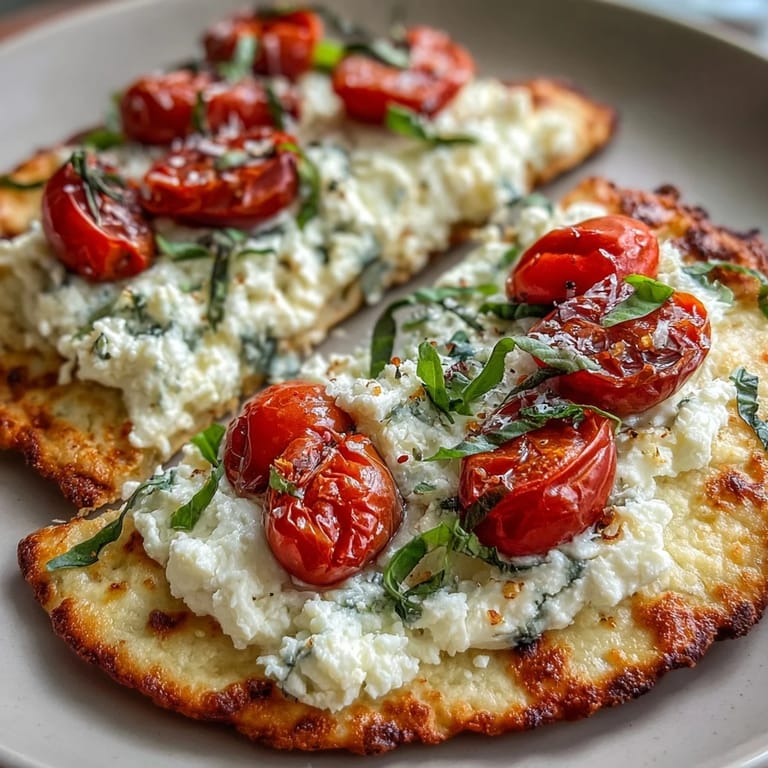
- Let the flatbreads cool for a couple of minutes before spreading pesto over each—they’re surprisingly sturdy but still delicate enough to tear.
- Add fresh toppings:
- Scatter halved cherry tomatoes, grind over some black pepper, and dust with parmesan if you like; finish with lots of fresh basil and slice while warm.
 Pin this
 The first time I brought a platter of these to a garden potluck, one friend stood by the table sneaking extra pieces with almost comic stealth. The dish quickly turned into a conversation starter and a gentle debate over whether anyone could believe cottage cheese was the secret hero ingredient.
Choosing Ingredients with Confidence
Over time, I’ve tinkered with every possible cottage cheese—doctored up low fat versions on busy weekday lunches and gone all-in on thick, rich curd for a more decadent weekend vibe. If you want an earthier note, try swapping in a handful of sun-dried tomatoes for the cherry ones, or even swirling roasted red pepper into your pesto for a pop of sweetness.
Make-Ahead and Storing Tips
I’ve had great luck baking these flatbreads a few hours ahead and just popping them back for a minute or two in the oven to refresh before serving. The toppings are best added right at the table so nothing gets soggy—plus, it’s a delight to watch people’s eyes light up as the basil and pesto hit the warm bread.
Ways to Dress It Up for Any Occasion
Don’t be afraid to cut the flatbreads into small wedges for party bites, or try a drizzle of hot honey for a spicy twist. Play around with a little lemon zest on top one night and a flurry of microgreens the next—they’ll each bring out something new. The more you riff, the more this easy flatbread becomes a personal signature.
- Let your pesto come to room temperature for a silky spread.
- Sprinkle chili flakes if you want a little fire.
- Keep a stash of parchment paper handy for less mess.
 Pin this
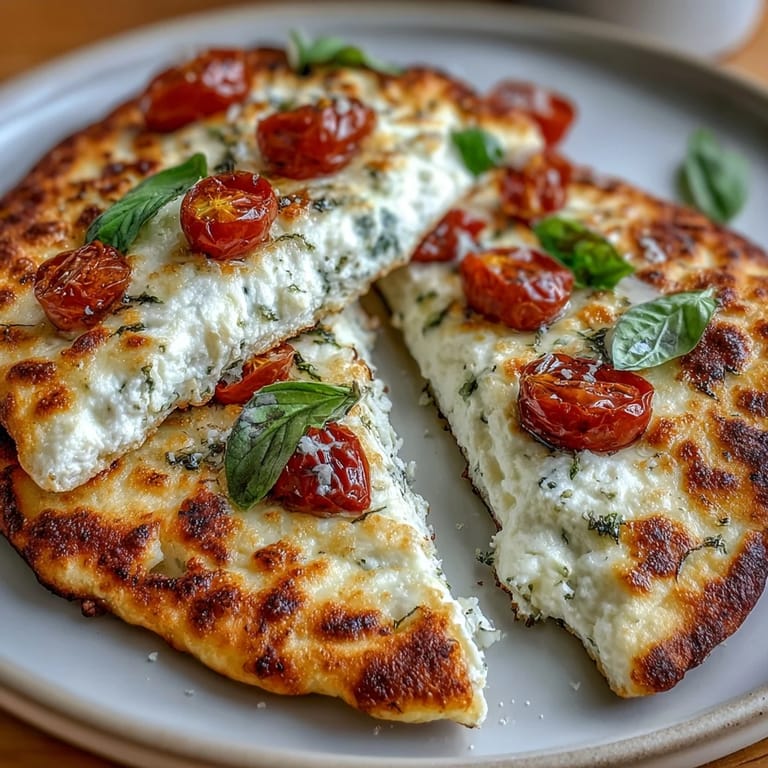
 There’s something quietly joyful in slicing into these flatbreads surrounded by friends or the hum of an otherwise ordinary day. I hope you find yourself reaching for this recipe again and again, each time adding your own signature touch.
Frequently Asked Recipe Questions
- → Can I make this gluten-free?
Yes. Swap the all-purpose flour for chickpea flour or a 1:1 gluten-free blend. Chickpea flour yields a slightly nuttier crumb; if the batter seems drier, add a teaspoon of water or an extra egg white to reach spreading consistency.
- → How do I get a crisper edge and bottom?
Spread the batter thinner for crispier edges and bake on a preheated baking tray or pizza stone to promote immediate bottom browning. Finish under the broiler for 30–60 seconds if you want extra color, watching carefully to avoid burning.
- → What are good topping alternatives to basil pesto?
Try smashed avocado with lemon and chili flakes, a smear of sun-dried tomato tapenade, or ricotta mixed with lemon zest and herbs. Each adds a distinct flavor while keeping the bright, fresh profile.
- → Will low-fat cottage cheese work?
Yes. Low-fat cottage cheese works but can yield a slightly drier or less tender base. For best texture, blend the cheese very smooth and consider adding an extra tablespoon of flour or a splash of milk to adjust moisture.
- → How should I store and reheat leftovers?
Keep cooled flatbreads wrapped in the fridge up to 48 hours. Reheat briefly in a hot oven or toaster oven at 350°F (175°C) for 5–8 minutes to revive crispness; avoid microwaving if you want to maintain texture.
- → How do I prevent soggy flatbreads from the tomatoes?
Pat cherry tomatoes dry before topping and add them after baking rather than before to reduce moisture transfer. Alternatively, roast the tomatoes separately to concentrate flavor and minimize juice on the flatbread.